How to Start a Coffee Shop in Singapore

KPay


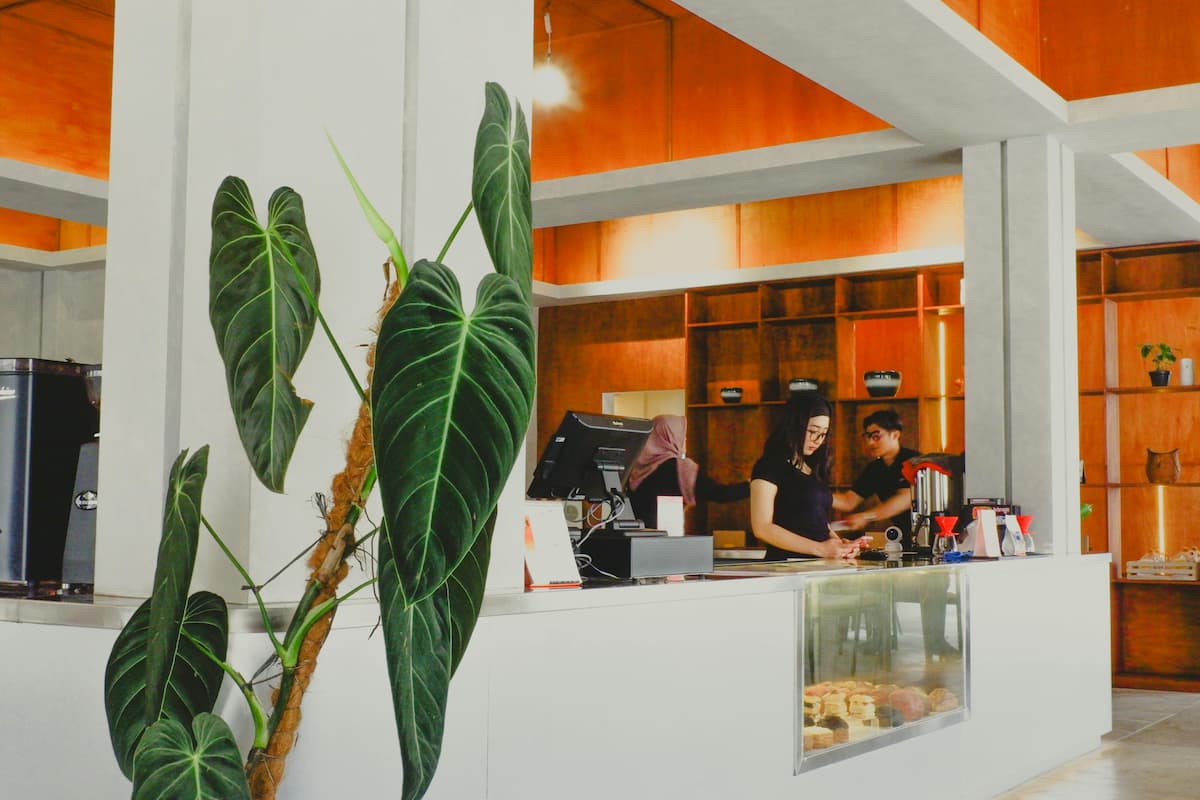
Learn how to start a coffee shop in Singapore. From SFA licensing to ACRA registration and Scan to Order systems, master your café launch today.
Key Takeaways
- Secure Your Unit with an LOI: Lock in your location and negotiate rent-free renovation periods before committing to a final lease.
- Beat the Labor Crunch with Tech: Implement KPay F&B POS to lower staffing needs and increase your average order value (AOV).
- Fund Your Launch via PSG Grants: Offset up to 50% of your digital POS and ordering costs through government-backed subsidies.
Singapore is a city fueled by caffeine. From traditional kopi to the thriving "specialty" café scene in Tiong Bahru and Telok Ayer, the demand is constant. However, with increasingly high rents and a manpower crunch, learning how to start a coffee shop involves more than just a good roast — it requires a digital-first strategy.
This 6-step guide provides a roadmap to navigate the processes involved in starting your own coffee shop in Singapore.
Step 1: Business Registration and ACRA Compliance
Every Singaporean business has to register with the Accounting and Corporate Regulatory Authority (ACRA) through Bizfile, ACRA’s online portal. The process begins with a name application, which reserves your chosen brand name for 120 days upon approval. Once the name is secured, you can proceed with the incorporation filing. During this stage, you must appoint at least one locally resident director (a Singapore Citizen, PR, or valid pass holder), a company secretary within six months, and provide a physical Singapore registered office address.
After the government fees are paid, approval is often almost instant or within a few hours for straightforward applications. Ensure that you have all the details required before registering for your business, and that you have enough to cover the Security Deposit (usually 3–6 months' rent) and your initial SFA license fees.
Once registered successfully, you will receive a Unique Entity Number (UEN), which is essential for opening a business bank account and applying for government grants.
Step 2: Securing a Location and "Change of Use"
Having a good location for your coffee shop is important as it influences your footfall. Having your coffee shop located within close proximity to MRT stations can attract a larger crowd, although rental costs for these prime locations are often high.
Above all, it will be beneficial to have a location strategy so that you can choose a location to rent that will meet your business goals and needs.
Before signing a lease, check the Urban Redevelopment Authority (URA) website for "Change of Use" approval. Not every retail unit is permitted to operate as F&B as changing an approved use of a premises to another use may cause amenity problems to neighbouring premises in the area.
According to URA, a planning application for change of use would allow URA to assess if the intended new use is compatible and acceptable.
After a change of use approval is obtained, you are required to apply for the necessary permits and licences separately from the relevant government agencies (such as SCDF’s fire safety clearance, SFA for Food Shop licence etc) through GoBusiness Singapore.
Once you've confirmed that you're keen on renting out a space for your coffee shop, submit a Letter of Intent (LOI) to the landlord. If possible, negotiate for a "Rent-Free Fitting-Out Period" of at least 2–4 weeks to complete your renovations without the pressure of rent.
Step 3: Licensing (SFA, NEA, and Liquor)
To serve food and beverages in Singapore, you must obtain a Food Shop License from SFA. This is a mandatory requirement for restaurants, cafes, and kiosks, carrying an annual fee of S$195. The application process is managed through the GoBusiness portal and begins with the submission of a detailed layout plan. This plan acts as the blueprint for your operations, and obtaining In-Principle Approval (IPA) from the SFA must be achieved before you commence any renovation works.
Hygiene Standards: FHO and Food Handlers
The SFA maintains strict hygiene standards to safeguard public health. You must ensure that anyone involved in preparing or serving food have attended and passed the WSQ Food Safety Course Level 1. Additionally, certain establishments, such as restaurants occupying two or more adjacent units or those with a kitchen area exceeding 16 square metres, are required to appoint a certified Food Hygiene Officer (FHO). The FHO must be a member of your supervisory staff who has completed the more advanced WSQ Food Safety Course Level 3. This FHO is responsible for implementing food safety systems and conducting regular hygiene checks to prevent contamination.
The Layout: Ventilation and Waste Management
Your shop layout must meet both SFA and NEA (National Environment Agency) standards. Certain key things to note include ensuring that your floor plan is submitted in a metric scale and clearly indicating the placement of all kitchen equipment, including sinks, washbasins, and refrigeration units. Most importantly, the layout must feature an efficient mechanical ventilation system to manage kitchen fumes and a grease trap to ensure that wastewater discharge complies with environmental regulations.
Once renovations are complete, the SFA will conduct a pre-licensing inspection, which may be done virtually via Zoom or through photo submissions, to verify that the physical setup matches your approved plans exactly.
Step 4: Solving the Manpower Crunch with Automation
One of the biggest hurdles in starting a coffee shop in Singapore is hiring. With a permanent manpower crunch in the F&B industry, leveraging on technology becomes essential.
Digital systems such as POS systems that enable ordering and/or viewing of the menu via QR-codes can help to make your business operations more efficient. By using such systems, your customers can browse and pay via their phones.
This allows a smaller crew to manage a busy morning rush, as your baristas can focus on serving quality beverages rather than taking manual orders.
Additionally, digital menus allow for high-quality visuals and automated upselling prompts, which consistently results in a higher Average Order Value (AOV) compared to traditional paper menus.
KPay POS for Businesses
KPay POS is designed with F&B businesses in mind and integrated with the KPay ecosystem so that you can access all you need in one place. We help your business to operate more efficiently with a fast, reliable and modern POS including built-in tools, so you can focus on growing the business.
KPay POS offers various features:
- Unified POS System: Handle various business operations, from taking orders to accepting payments, and even accessing reports, via a single platform.
- High-speed & reliable: With a fast and reliable POS system that's capable of processing high checkout volume even during peak hours, you can capture every dollar with ease.
- Professional support 24/7: You won't have to navigate the process alone as KPay offers pre-onboarding consultation to help merchants identify the features suited for their needs, as well as 24/7 post-onboarding support.
- Streamlined usability: Unlike traditional systems with complex, legacy interfaces, the KPay POS features a modern, intuitive design. This ensures that even new staff can navigate the system confidently with minimal training.
With offline mode to ensure that you'll be able to continue processing orders even during unforeseen network outages and the option of providing static and/or dynamic QR codes for customers to view menus and place their orders, you'll be able to streamline your operations and better provide a great dining experience for your customers.
Contact our sales team today to learn more about how KPay POS can help your coffee shop to operate more efficiently.
Step 5: Setting Up Your Payment Ecosystem
With the move towards a "cash-lite" society, digital payments are becoming increasingly popular. This also means that if you don't accept various types of digital payment methods such as PayNow, GrabPay, and NETS, you may lose customers. Accepting popular foreign digital payment methods such as Visa, Mastercard, or AliPay is also important to capture tourist spending.
When looking for a payment terminal, it's important to look for a unified solution — instead of having three different machines, use an all-in-one KPay Terminal Pro that consolidates all local and international payment methods. This helps to free up counter space and can make the payment process even more seamless.
Besides accepting a variety of payment methods, your payment terminal is just as important for cash flow. Some providers offer T+3 or T+5 settlement, but this can be crippling for merchants with smaller coffee shops that need the cash flow to pay vendors, staff, or to make decisions that help with operational efficiency. This is why having T+1 Express Settlement is important when it comes to selecting a payment terminal. For a new coffee shop, having yesterday's revenue in your bank account today is vital for paying milk and bean suppliers on time.
KPay's Modern, Unified Solution For Your Business Success
KPay Terminal Pro offers various features that meet your business needs:
- Accepts 20 major payment methods seamlessly on one portable device.
- No subscription fees, annual fees or terminal rental fees
- T+1 Express Settlement* delivers faster access to cash flow and liquidity, significantly boosting operational efficiency.
- Secure transactions and data points with industry-leading security standards, including PCI DSS, AICPA Soc 1 & 2, and ISO 27001.
- 24/7, 365-day customer support to ensure merchants get up and running quickly should any issues occur.
- Access real-time sales reporting, peak hour analysis, and transaction reconciliation with KPay's Merchant App
*Settlement is on a T+1 basis, subject to bank processing time and approval by KPay and its acquiring partners.
With KPay Terminal Pro you can effectively meet your customer's needs for speed, versatility of payment methods, and ensure secure transactions — all with one device.
Step 6: Marketing and Local SEO
In a saturated industry, being discoverable is crucial for your coffee shop's survival. This includes ensuring that you can easily be found across multiple digital platforms.
Here are a few things to set up before opening the doors to your coffee shop:
- Google Business Profile: Ensure your coffee shop appears on Google Maps by setting up your Google Business Profile. Fill up your profile with relevant information and update your opening hours as relevant so that customers do not turn up to closed doors.
- Social accounts: Having accounts on various social media platforms can help with discoverability as you are able to tap in to a larger audience. Besides organic content to share with potential customers more about your offerings, consider social media ads to reach a wider audience. By having engaging content on your social media channels, you can also gradually build a community of loyal customers that will automatically act as ambassadors, helping your business to reach more people through word of mouth.
- Instagrammable Interiors: In Singapore, "café-hopping" culture is largely driven by visuals. Design a space that encourages social sharing, and link your digital menu to your Instagram bio so customers can browse before they arrive. Having your food or drink offerings look visually appealing or unique can also help to draw in a crowd, but make sure that this is not at the expense of the quality of your food so that you can retain loyal customers.
Starting Small, Thinking Digital
Starting a coffee shop in Singapore may not be an easy journey, but it can be a rewarding one. The key to survival is controlling your fixed costs while optimising your variable revenue. By setting up digital systems that can help you to operate more efficiently and help with cash flow, you can focus on what matters most: the perfect cup of coffee.
Contact KPay’s sales team to find out how the Scan to Order and KPay Terminal Pro can be suitable for your coffee shop today.

Recommended articles
The Ultimate Merchant’s Guide to Payment Methods
Checklist: Opening a Store in Singapore
Merchant's Guide: Renting a Store in Singapore