The Ultimate Merchant’s Guide to Payment Methods
KPay


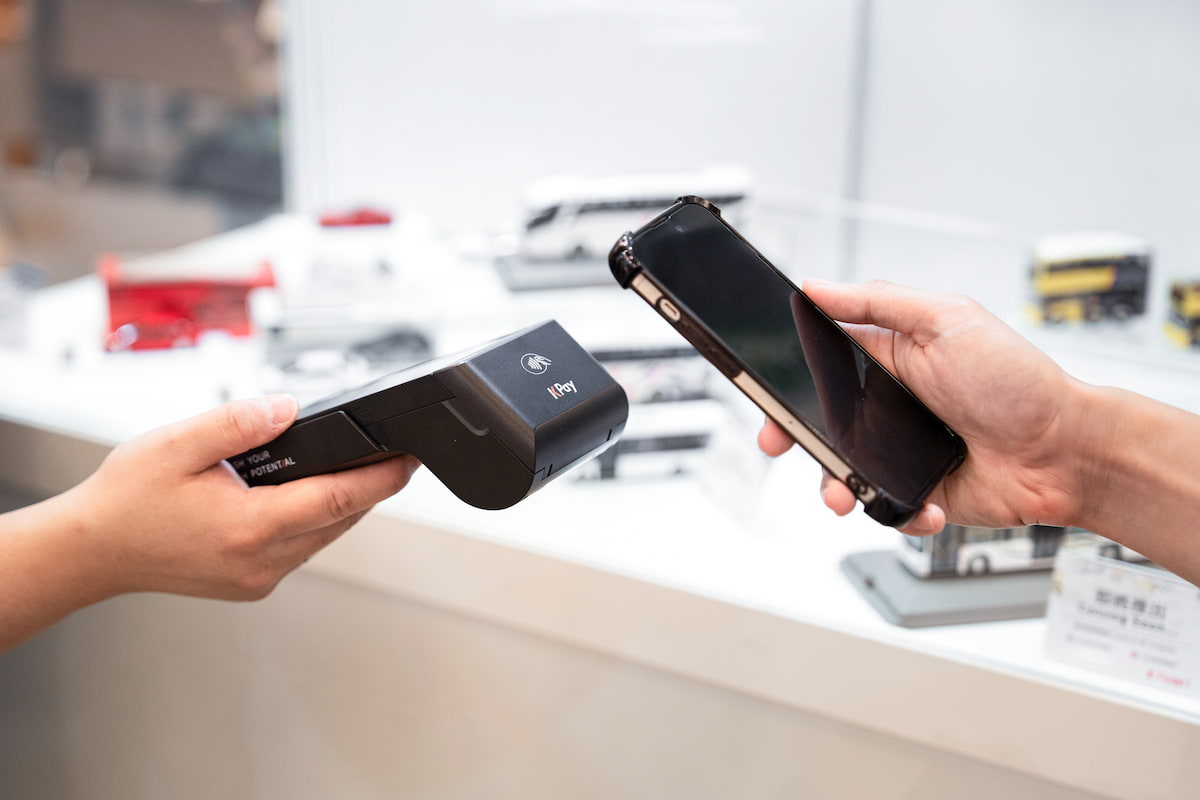
A deep dive into the top payment methods in Singapore (PayNow, e-wallets, cards). Learn how to choose the right mix for lower costs (TCO) and seamless operational efficiency.
Key Takeaways
- The shift to e-payments is driven by digital efficiency, lower-cost bank transfer solutions like PayNow, and actionable data insights, making a shift to digital crucial for business scalability.
- Merchants must balance customer demand for variety with cost management, leveraging low-MDR QR payments (PayNow) and accepting international wallets to capture tourist revenue.
- Selecting a solution capable of adapting to future trends is essential for reducing risk and long-term growth.
The Importance of Payment Methods
The acceleration of the digital economy has led to a variety of payment choices being introduced — contactless card payment, QR codes, e-wallets, and Buy Now Pay Later (BNPL) solutions, all of which have made payment choice a must-have for consumers. However, merchants are often overwhelmed by the sheer number of options, with many struggling to understand which payment methods suit their business model and addresses customers preferences. Many also have difficulty managing costs and integration of various payment methods.
This guide breaks down the essential payment categories, compares them based on merchant value, and provides a roadmap for implementation.
The State of Payments in Singapore
The Three Pillars of the Singapore Payment Stack
Singapore's rapid transformation into a "Smart Nation" and a global financial hub is built upon a payments ecosystem, which rests on three core pillars: the Regulator, the Infrastructure, and the Fintech Providers. This structure actively works toward the national goal of becoming a "cheque-free" and ultimately "cash-lite" society.
1. The Regulator: Monetary Authority of Singapore (MAS)
MAS serves as the central bank and financial regulator, providing the necessary trust, security, and strategic direction for the entire payment system. This means that MAS defines the rules, licenses operators, and mandates industry best practices, such as regarding security and data protection. Most importantly, it drives systemic change, such as winding down the use of corporate cheques by 2027 and setting standards for interoperability.
MAS's stable governance fosters the high level of consumer and merchant confidence necessary for mass digital adoption. By setting strict security standards, they ensure that the move away from cash does not introduce unacceptable risk.
2. The Infrastructure: FAST/PayNow and SGQR
This pillar comprises platforms that enable instant, low-cost digital transactions.
- FAST (Fast and Secure Transfers): This is the underlying engine that allows near-instant bank transfers in Singapore.
- PayNow: Built on FAST, PayNow allows instant funds transfer using just a mobile number, NRIC/FIN, or Unique Entity Number (UEN) for businesses. It has been adopted by over 90% of eligible Singaporeans and is a key success factor in driving the "cash-lite" movement.
- SGQR (Singapore Quick Response Code): This world-first unified QR code consolidates multiple payment schemes (PayNow, Visa, GrabPay, etc.) into a single label.
PayNow allows instantaneous, traceable B2B and B2C payments, replacing the need for cheques and slow bank transfers.
3. Fintech Providers: Banks and Payment Gateways
Fintech providers create the products that merchants and consumers use daily, and this group includes commercial banks, card schemes, payment terminal providers, and digital wallet companies. They offer a wide variety of payment acceptance tools such as POS terminals and e-commerce gateways, bringing the infrastructure to the last mile.
That's not all — necessary features that make digital payments more attractive and efficient than handling cash, such as T+1 express settlement, comprehensive multi-currency support, and integrated loyalty programs, are brought to life by fintechs. They are the engine driving merchant adoption and seamless consumer experience.
Why Cash is No Longer King
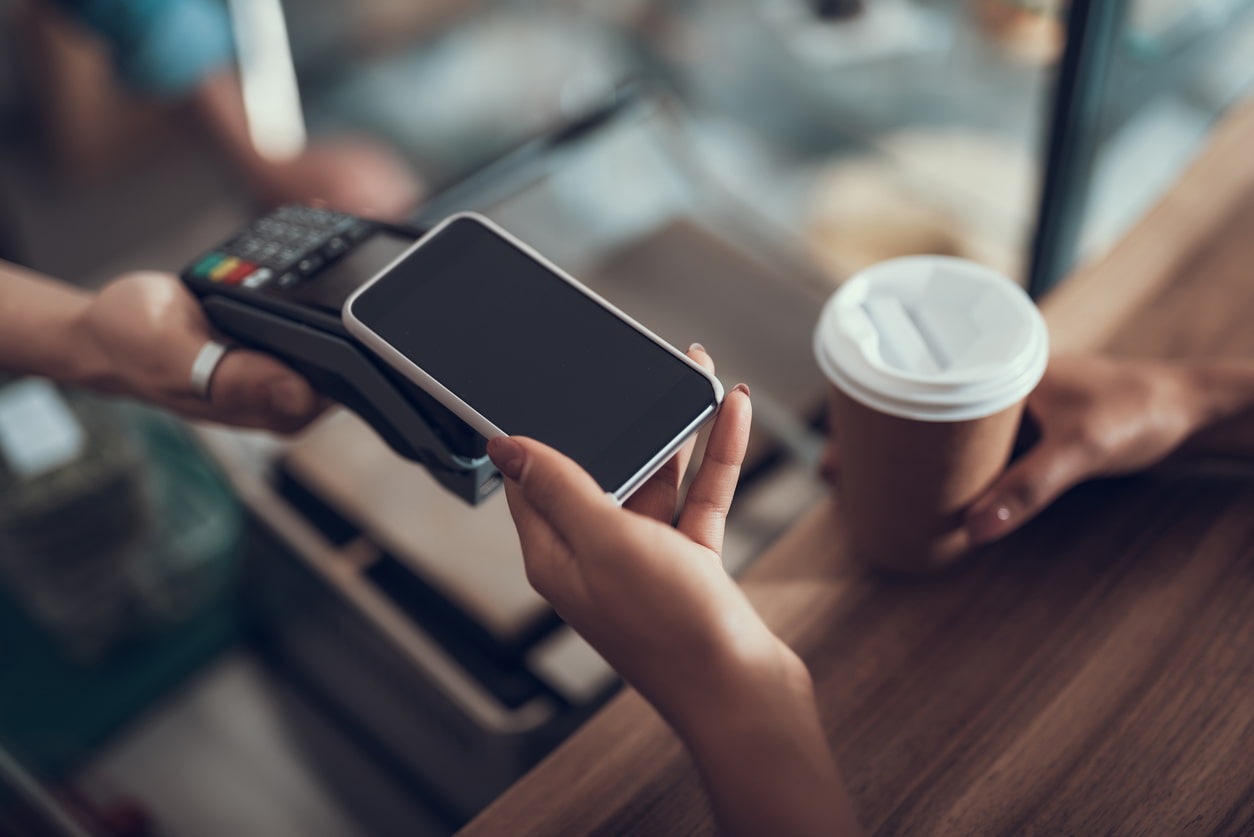
According to MAS, e-payments skyrocketed from S$627 billion in 2018 to S$1.25 trillion in 2023, and ATM withdrawals dropped by 10% over the same period.
However, there are still areas where cash persists, especially for the older generation who may be less tech-savvy and face difficulties adopting these newer payment methods. As such, it's common to see hawker centres in heartland areas that still accept cash.
Even so, digital payments remain the primary driver of growth, and it is important for any merchants looking to scale their businesses.
With digital payments, you can significantly boost business efficiency and scalability. For merchants, this shift eliminates the high administrative costs and inefficiencies that come with cash handling, as e-payments automate workflows and simplify financial reconciliation.
Additionally, having a robust digital infrastructure drives e-commerce and cross-border trade, enabling businesses to effortlessly accept payments globally and expand their reach. The availability of low-cost bank transfer solutions like PayNow also offers a financially viable alternative to traditional cards, lowering overall transactional fees (MDRs) and supporting financial stability for all merchant sizes, from hawkers to large retailers.
Continued growth is also driven by enhanced customer experience and data-driven decision making. Digital methods provide faster, more convenient, and more secure transactions, leading to shorter queues, higher customer satisfaction, and an increase in average spending compared to cash. By integrating loyalty programs, these platforms help to foster deeper customer relationships that encourage sustained revenue.
Most importantly, every digital transaction yields rich, actionable data, which generates these insights into sales patterns and customer behavior. By empowering businesses to make strategic decisions on inventory, staffing, and marketing, it can provide the competitive edge necessary for long-term growth.
Essential Digital Payment Categories for Merchants
To thrive in the digital economy, merchants must strategically adopt the right payment mix. We break down the essential categories, from cards and QR payments to e-Wallets, to help you lower costs, reduce friction, and simplify your operations.
Card Payments (Credit/Debit)
While newer digital methods are gaining ground, traditional card payments (Visa, Mastercard, American Express) retain a critical role. Cards are widely trusted, universally accepted globally, and remain the dominant payment method for high-value transactions. For merchants, accepting cards via NFC/Contactless technology is mandatory for speed and convenience at the physical Point-of-Sale (POS), reducing transaction times by up to 25 seconds and improving customer flow.
Furthermore, merchant insight reveals that cards often act as the foundational funding source for many popular digital wallets, meaning their continued acceptance is integral to the entire digital payment ecosystem.
Bank Transfer and QR Payments
The rise of bank transfer and QR payments represents the single greatest opportunity for merchants to lower costs and leverage national infrastructure. PayNow and the unified SGQR code are of massive importance for Singapore merchants, enabling low-cost, instant transfers directly between the customer's and merchant's bank accounts.
A key advantage for merchants is the cost structure. Since PayNow bypasses the expensive card network schemes, it avoids the associated Interchange Fees, often resulting in a significantly lower Merchant Discount Rate (MDR) or a low fixed fee compared to card-based transactions. This makes it a great choice for high-volume, low-value sales, boosting the merchant's margin.
Digital Wallets and Superapps
Digital wallets like GrabPay, DBS PayLah!, and Singtel Dash as well as superapps are essential for catering to the mobile-first local consumer and leveraging cross-border commerce.
- Local and international reach: Local wallets are important for domestic customer loyalty and high-frequency payments. However, international wallets like Alipay and WeChat Pay must also be accepted so that your business is about to capture tourist spending.
- Merchant insight (CRM): Wallets function as more than just payment methods; they are CRM and loyalty integration hubs. By accepting a wallet, a merchant gains access to data that can be used to run personalised promotions, fostering deeper customer relationships and recurring revenue.
Buy Now, Pay Later (BNPL)
BNPL platforms such as Atome and Grab/PayLater offer interest-free installment plans, making them highly appealing to the younger consumers.
- Benefit for merchants: Offering BNPL is a tactical strategy to increase the average cart size and conversion rate, as it makes high-ticket items feel immediately more affordable to the customer.
- Cost vs. risk: Merchants must analyse the cost carefully. BNPL typically charges the merchant a fee that is generally higher than traditional card MDRs, often ranging from 2% to 8%. However, the key advantage is the transfer of risk: the BNPL provider absorbs 100% of the customer's credit and fraud risk, paying the merchant the full transaction amount upfront. This risk transfer justifies the higher fee while still driving significant sales growth.
Future Trends and Advanced Payment Capabilities
Beyond considering the various payment methods accepted, the payment terminal you choose today must be capable of adapting to the rapid evolution of technology and cross-border initiatives to remain future-proof.
Cross-Border QR Interoperability
MAS is actively working with its ASEAN and global counterparts to create seamless payment linkages, which directly benefits merchants.
For example, Singapore has successfully launched real-time payment linkages between PayNow and national systems in neighboring countries, including Malaysia (DuitNow), Thailand (PromptPay), Indonesia (QRIS), and India (UPI).
These linkages mean tourists from these countries can instantly scan a local SGQR or NETS QR code at a Singapore merchant using their home bank app or e-wallet, with funds converted in real-time. This provides merchants with immediate access to a wider customer pool, facilitates faster cross-border commerce, and allows small businesses to easily tap into regional tourism revenue without needing separate terminals or complex foreign currency accounts.
The Rise of Tokenisation and Biometrics
These technologies are no longer theoretical; they are integrated features that improve both security and customer experience.
- Tokenisation: This security technique replaces a customer's sensitive 16-digit card number (PAN) with a unique, non-sensitive token. Since the merchant never stores the actual card data, tokenisation reduces the risk of data breaches and fraud, lowers the merchant's scope for PCI DSS compliance, and allows for secure "tap-and-go" mobile and contactless payments.
- Biometrics: Using fingerprints, facial recognition, or palm scans for authentication offers a faster, more secure tap-and-go experience than traditional PINs or passwords. This enhances customer convenience by removing the need to retrieve a wallet or phone, and also increases transaction security, leading to higher authorisation rates and reduced fraud-related chargebacks for the merchant.
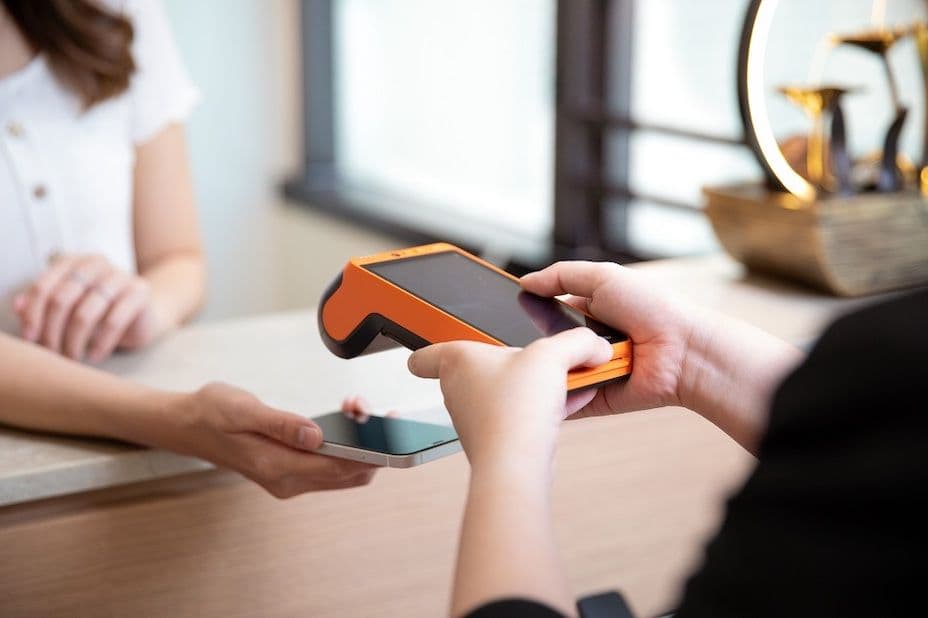
KPay's Modern, Unified Solution For Your Business Success
KPay Terminal Pro offers various features to help your business succeed:
- Accepts 20 major payment methods seamlessly on one portable device.
- No subscription fees, annual fees or terminal rental fees
- T+1 Express Settlement* delivers faster access to cash flow and liquidity, significantly boosting operational efficiency.
- Secure transactions and data points with industry-leading security standards, including PCI DSS, AICPA Soc 1 & 2, and ISO 27001.
- 24/7, 365-day multilingual customer support to ensure merchants get up and running quickly should any issues occur.
- Access real-time sales reporting, peak hour analysis, and transaction reconciliation with KPay's Merchant App
With KPay Terminal Pro you can effectively meet your customer's needs for speed, versatility of payment methods, and ensure secure transactions — all with one device.
Choosing Your Winning Payment Mix
The shift to digital has fundamentally changed the cash register, making the payment terminal the core data and revenue hub of your business. Success hinges on strategically selecting a solution that manages the trade-off between payment versatility and cost efficiency. It's important for merchants to understand how to select a payment terminal that helps with their business needs, as this acts as the core engine driving revenue.
To ensure your business is future-proof, you must audit your current methods and seek an integrated solution that is supported by prompt, expert assistance. If your current system is slow, inflexible, or leaves you vulnerable during peak-hour downtime, it's time to upgrade. Talk to our sales team today to find a unified terminal solution that streamlines your operations while providing the security and support your business needs.
*Settlement is on a T+1 basis, subject to bank processing time and approval by KPay and its acquiring partners.
KPay

Recommended articles
Checklist: Opening a Store in Singapore
Merchant's Guide: Renting a Store in Singapore
The Best Digital Ordering System for Restaurants in Singapore